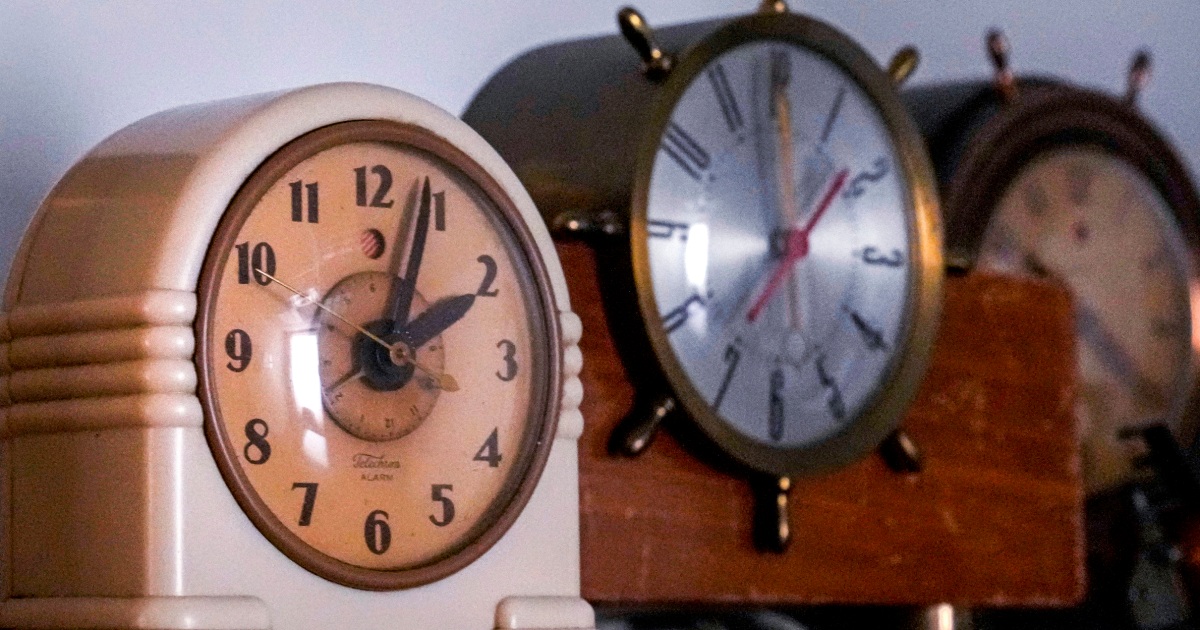
Is Today Daylight Savings? Understanding the Annual Clock Shift
As the seasons turn, so too do our clocks, thanks to the perennial tradition of Daylight Saving Time (DST). The question, Is Today Daylight Savings?, is one that echoes across households and workplaces twice a year, sparking a mix of anticipation for longer evenings or dread for a lost hour of sleep. But what exactly does it mean when Daylight Saving is "on the way," and how does this ritual truly impact our lives?
The concept of Daylight Saving Time involves advancing clocks by an hour during warmer months so that evening daylight lasts longer, and then returning them to standard time in the autumn. While the specific dates vary slightly year to year, in many regions, DST typically begins on the second Sunday in March (spring forward) and ends on the first Sunday in November (fall back). Knowing these general patterns can help you anticipate the change, but for a definitive answer to "Is Today Daylight Savings?", a quick check of your local news or an online search for the current year's dates is always the best approach. It's more than just a simple adjustment of the clock; it's a societal shift that brings with it a cascade of effects, both subtle and significant.
The Curious Case of the "Extra Hour" and What It Really Means
The autumnal transition, when we "fall back," famously grants us an "extra hour." For some, this hour is a welcome gift—a chance for a lie-in, an unexpected extension of a gathering, or perhaps a moment for quiet reflection. The joy of finding an additional hour, almost like a "critical hit" for a well-planned party, can create memorable experiences, extending the laughter and camaraderie long into the night. It's a rare opportunity to momentarily defy the relentless march of time, offering a brief reprieve or an unexpected bonus.
However, the emotional weight of this extra hour isn't always positive. For others, particularly those navigating personal challenges, that additional hour can feel less like a gift and more like a cruel extension of difficult moments. It can amplify feelings, lengthen periods of introspection, or simply serve as an unwelcome reminder of solitude or past regrets. The very concept of time, usually so consistent, becomes mutable, and our emotional responses to its manipulation can be profoundly personal. Whether it's used for joyous celebration or quiet contemplation, the "extra hour" of Daylight Saving Time carries a unique psychological resonance, reminding us that time is not just a measurement on a clock, but a fundamental aspect of our human experience.
Beyond the emotional landscape, the actual mechanics of this time shift have practical implications. Our internal body clocks, or circadian rhythms, are finely tuned to the sun's natural cycle. When we suddenly shift our external clocks, our internal systems need to catch up, leading to various adjustments in our daily routines and well-being. For more insights on preparing for this shift, you might find valuable tips in Is Today Daylight Savings? Preparing for the Extra Hour.
Navigating the Time Change: Practical Tips for a Smooth Transition
While Daylight Saving Time might evoke different feelings, effectively navigating the time change is key to minimizing disruption and maximizing its potential benefits. Preparing for both "spring forward" and "fall back" can help you adjust more smoothly.
Preparing for "Spring Forward"
The "spring forward" in March, where we lose an hour, often feels like the tougher adjustment. It can lead to temporary sleep deprivation and a feeling of being rushed. Here’s how to ease into it:
- Adjust Gradually: A few days before the change, try going to bed 15-20 minutes earlier each night. This pre-adjustment can significantly soften the impact.
- Prioritize Sleep: Make sleep a priority in the week leading up to the change. Ensure your bedroom is dark, quiet, and cool.
- Light Exposure: Get plenty of natural light in the morning once the clocks have changed. This helps reset your internal clock.
- Stay Hydrated & Eat Well: Good nutrition and hydration support overall well-being and can help your body cope with the stress of adjustment.
- Avoid Caffeine & Alcohol: Limit stimulants and depressants, especially in the evenings, as they can interfere with sleep.
Embracing "Fall Back"
The "fall back" in November, which grants us the "extra hour," is generally easier, but it can still disrupt routines and, for some, contribute to seasonal mood changes due to earlier darkness. Here’s how to make the most of it:
- Maintain Your Sleep Schedule: While tempting to stay up late, try to stick to your usual bedtime as much as possible to avoid oversleeping and further disrupting your rhythm.
- Utilize the Extra Hour Wisely: Instead of simply sleeping in, consider dedicating that extra hour to something productive or enjoyable that usually gets pushed aside—reading, exercise, or a hobby.
- Embrace Morning Light: Even though it's getting darker earlier, try to maximize your exposure to natural light in the mornings to help regulate your circadian rhythm.
- Seasonal Affective Disorder (SAD) Awareness: If you're prone to SAD, the earlier darkness can be a trigger. Consider light therapy lamps or consult a professional if symptoms arise.
Understanding when these changes occur is crucial for planning. For detailed dates and historical context on Daylight Savings, you can refer to Daylight Savings: When It Starts & If Today Is The Day.
Beyond the Clock: The Broader Impact and Future of Daylight Saving Time
The debate around Daylight Saving Time is a perennial one, touching upon everything from public health and safety to economic impact and energy consumption. What started as a measure to conserve energy during wartime has evolved into a complex discussion with passionate arguments on both sides.
Health and Well-being Considerations
The most significant modern concern revolves around public health. Studies have linked the "spring forward" transition to an increase in heart attacks, strokes, and even traffic accidents in the days immediately following the shift, attributed to sleep deprivation and circadian rhythm disruption. The abrupt change can throw off sleep patterns, hormone regulation, and overall mental clarity. Conversely, some argue that longer daylight evenings during summer encourage outdoor activity and improve mood, though this benefit is often debated against the costs of the transition itself.
Economic and Social Ripples
Economically, DST proponents suggest it boosts retail sales and outdoor recreation, as people are more likely to shop or engage in activities when there's more daylight after work. However, opponents point to increased energy consumption in the mornings, difficulties for agricultural sectors, and the general economic cost of disruptions to transportation and communication. Socially, the extended daylight in the evenings is often welcomed for leisure and social gatherings, fostering a sense of extended summer freedom. Yet, for industries like entertainment or those relying on natural light, the shifts can present logistical challenges.
The Ongoing Debate and Potential Future
Globally, there's no uniform agreement. While many countries observe DST, others have abolished it or never adopted it. In recent years, there's been a growing movement, particularly in the United States and Europe, to either make DST permanent (meaning we'd always have extended evening daylight) or to abolish it entirely and remain on Standard Time year-round. Advocates for permanence highlight the perceived benefits of more daylight in the evenings for safety and recreation. Those who prefer abolishing it altogether emphasize the health benefits of consistent sleep schedules and natural light exposure. The ultimate decision is complex, balancing historical precedent, economic interests, and public health concerns. What seems certain, however, is that the question of Daylight Saving Time will continue to be a topic of discussion for years to come.
In conclusion, while the core question of Is Today Daylight Savings? is a straightforward one with a simple yes or no answer depending on the calendar, the implications of this annual clock adjustment are anything but simple. From altering our body clocks and daily routines to sparking emotional reflections and national debates, Daylight Saving Time is a unique human construct that continues to shape our perception and experience of time itself. Understanding its nuances and preparing for its shifts can help us navigate this intriguing tradition with greater ease and intention.